


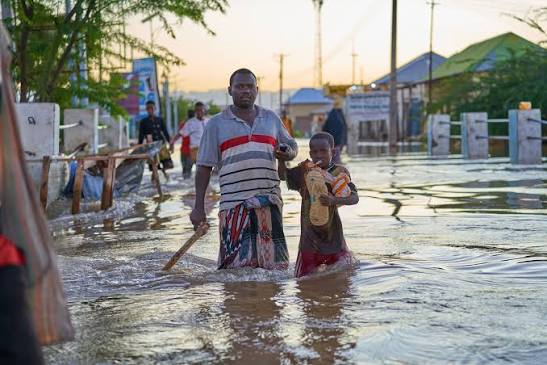
Somalia’s historic buildings, ancient cultural sites and rare handwritten manuscripts could face damage from heavy rainfall, flooding and soil erosion associated with El Niño weather conditions, three Somali organisations have warned.
Hayaan Heritage, Biciid and Green Media Initiative raised the alarm in a joint statement, cautioning that the anticipated weather conditions could threaten some of the country’s most valuable historical and cultural assets.
The organisations said the potential damage extends beyond physical structures to include cultural artefacts and rare manuscripts that preserve important records of Somalia’s past. They also warned that the effects of severe weather could endanger communities and livestock, adding to the wider risks facing the country.
Their warning places Somalia’s cultural heritage among the assets that could be affected by extreme weather, particularly where historical structures and other irreplaceable materials are exposed to flooding and erosion.
Rare manuscripts and historic sites face potential damage
The organisations emphasised that Somalia’s historical buildings, cultural sites and handwritten manuscripts carry significant value for Somali society.
Such materials can preserve knowledge about earlier generations, local traditions and the country’s cultural development. Unlike many modern records, fragile manuscripts and some historic artefacts may be difficult or impossible to replace if they are destroyed.
Heavy rainfall can weaken older structures, while floodwaters may damage buildings, wash away archaeological material or expose artefacts to prolonged moisture. Soil erosion can also undermine foundations and alter the landscape surrounding historical sites.
Rare manuscripts and other paper-based materials are particularly vulnerable to water damage, which can destroy written content and accelerate deterioration.
The organisations warned that these risks require attention as Somalia faces the possibility of disruptive weather conditions. However, their statement did not identify specific sites or manuscripts already damaged, nor did it provide an inventory of the heritage assets considered most vulnerable.
Threat extends to people and livestock
The warning also covered the potential consequences of heavy rainfall and flooding for Somali communities and their livelihoods.
Flooding can damage homes, roads and other infrastructure, disrupt access to essential services and threaten livestock, which remains an important source of income and food for many households.
Soil erosion can further affect land used for grazing and farming, while damage to transport routes can make it harder for communities to reach markets and essential services.
For Somalia, where many families depend on livestock and agriculture, severe weather can therefore create interconnected risks involving livelihoods, infrastructure, the environment and cultural heritage.
The organisations’ statement highlighted these broader concerns alongside the threat to historical sites, although it did not specify particular locations expected to experience the greatest impact.
Why protecting Somalia’s heritage matters
Somalia’s historical and cultural assets form part of the country’s collective memory. Historic buildings, archaeological sites, traditional artefacts and handwritten records can help preserve knowledge of earlier societies and pass cultural traditions to future generations.
Damage to such resources may have consequences beyond the immediate loss of a physical structure or object. Once an irreplaceable manuscript or artefact is destroyed, the historical information it contains may be lost permanently.
The warning from Hayaan Heritage, Biciid and Green Media Initiative therefore raises questions about the protection of cultural assets during periods of extreme weather.
Measures such as documenting vulnerable collections, protecting manuscripts from moisture, improving drainage around historic buildings and identifying sites exposed to erosion can help reduce potential damage. The appropriate response would depend on the condition and location of individual heritage assets.