


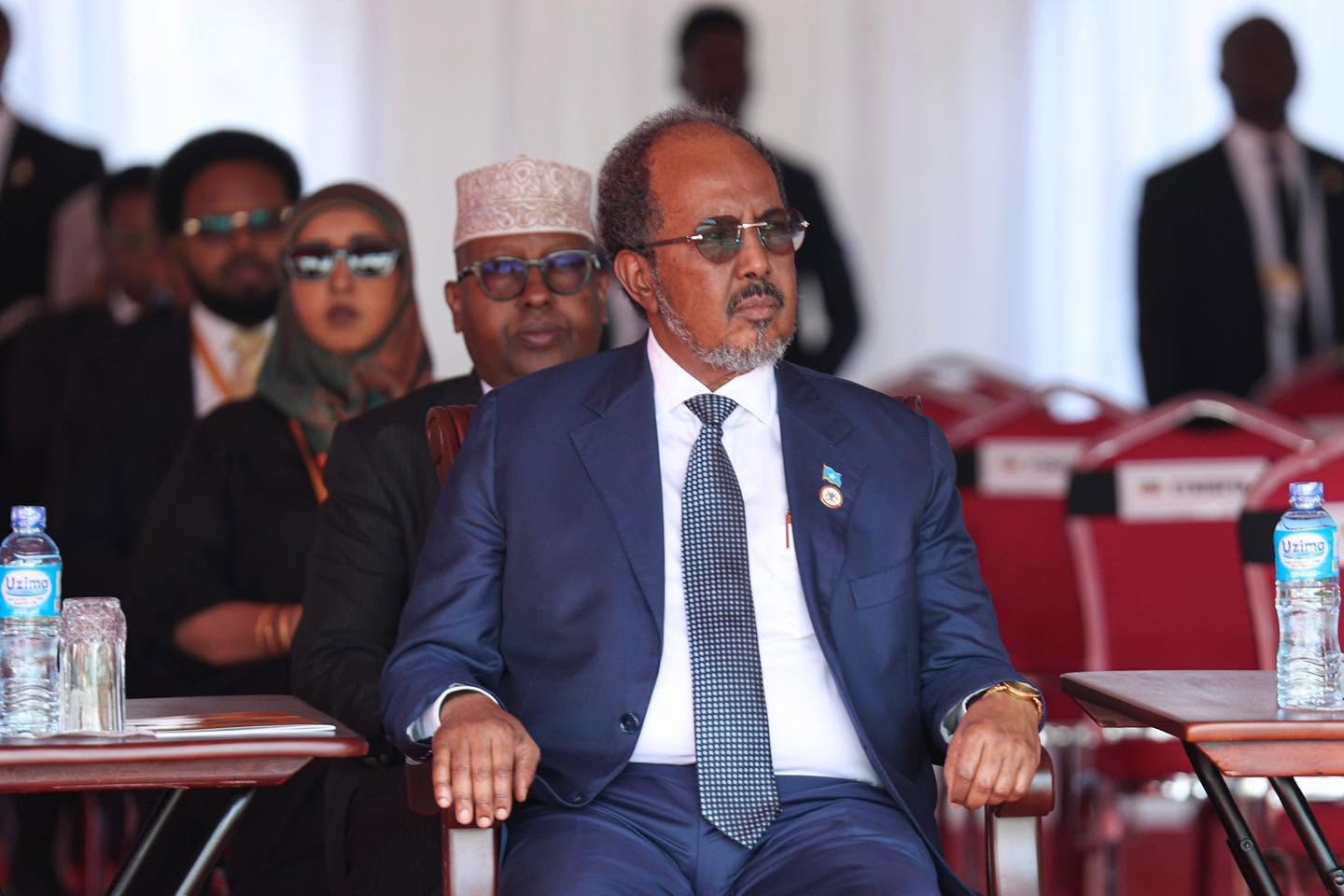
Somali President Hassan Sheikh Mohamud has formally invited opposition groups to five days of talks in Mogadishu in a fresh attempt to resolve a growing dispute over the country’s electoral process, with the two sides yet to agree on how the next federal elections should be conducted.
The presidency announced on Monday, October 26, that the national dialogue would take place from November 14 to 18, bringing together political groups and civil society representatives to discuss federal elections and seek common ground through negotiations.
The invitation comes amid a prolonged standoff between the federal government and opposition leaders over the electoral framework, constitutional changes and a timetable that has placed Somalia’s next parliamentary and presidential elections on the calendar for 2027.
According to the presidency, invitations were sent to the Nabad iyo Nolol party, the Somali Future Council, the National Unity Forum and the Civil Society Umbrella.
The government said the meeting was intended to encourage mutual understanding and compromise among stakeholders whose disagreements have complicated efforts to establish an electoral process acceptable to all sides.
The announcement follows a national address on Sunday in which Mohamud invited politicians with differing views to engage in dialogue, saying his administration was prepared to listen to opposing positions. The presidency had indicated that formal invitations would subsequently be issued through official channels.
Opposition rejects announced election dates
The November talks come less than two weeks after Somalia’s National Independent Electoral and Boundaries Commission announced dates for the next federal elections.
On October 15, the commission scheduled elections for both houses of the Federal Parliament for April 15, 2027, followed by the presidential election on May 15, 2027. It said the presidential date was based on a five-year term beginning on the day the president is sworn into office.
However, opposition groups rejected the timetable, arguing that the electoral process requires a broader political agreement rather than decisions made without consensus among the country’s key political stakeholders.
The disagreement extends beyond the dates themselves. The government has defended constitutional changes and its push towards a one-person, one-vote system, while opposition leaders have challenged the process through which the electoral framework and timetable were established.
The dispute has raised concerns over whether the government and opposition can agree on arrangements for the next elections before preparations advance further.
Hassan Sheikh defends direct elections
In his Sunday address, Mohamud defended the direct elections conducted in South West, Galmudug and Hirshabelle states, as well as the Banadir region, which includes Mogadishu.
The president has presented the one-person, one-vote system as an important step towards expanding public participation in choosing political representatives and moving away from Somalia’s longstanding indirect electoral arrangements.
Under the indirect system, clan representatives select members of parliament, who then elect the president. The proposed transition to direct voting would give registered voters a more direct role in selecting their representatives.
The government’s position has nevertheless faced resistance from opposition groups and political stakeholders who insist that the transition must be grounded in an inclusive agreement on the rules and administration of the elections.
Previous attempts to bridge the differences have failed to produce a lasting settlement. In July, the Somali Future Council, Nabad iyo Nolol and the National Unity Forum held separate meetings with the government and presented their own proposals, highlighting the difficulty of establishing a unified negotiating position among opposition actors.