


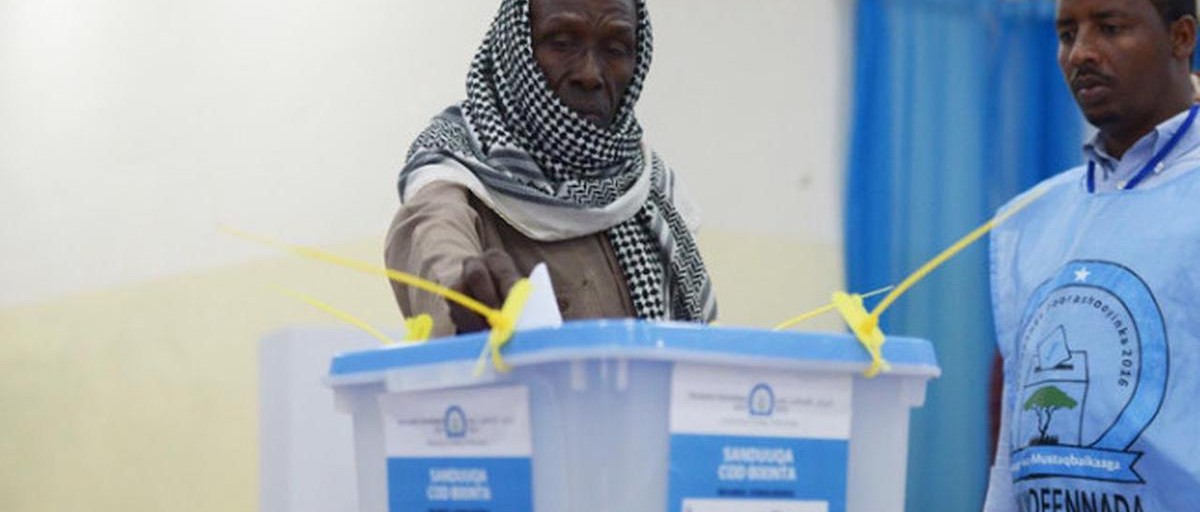
Somalia has approved proposed changes to its electoral laws that could reshape how citizens vote for lawmakers and how the country’s top political offices are filled ahead of the 2027 elections.
The changes place political parties and electoral lists at the centre of the voting process, introducing a system under which voters would choose political organisations rather than individual parliamentary candidates. They also outline a new path through which elected representatives would take part in selecting leaders at different levels of government.
The proposed framework would give voters a direct role in choosing representatives at several levels of government, but it would also change who makes some of the most important leadership decisions after the ballots are counted.
Under the changes, citizens would elect members of local councils, representatives to federal member state assemblies and lawmakers to both chambers of the Federal Parliament. Those elected institutions would then take responsibility for choosing other officeholders, including district commissioners and the President of Somalia.
This means Somalis would not directly vote for every person who eventually occupies a senior government position. Instead, their votes would determine the composition of the bodies entrusted with selecting some of those leaders.
Political parties could decide which candidates enter Parliament
Another major change concerns the way parliamentary candidates would seek election. The Cabinet endorsed a closed-list system that would require political organisations to submit ranked lists of candidates before an election.
Under this arrangement, voters would choose a political party rather than an individual candidate. The number of parliamentary seats won by each organisation would depend on its share of the vote, with candidates taking those seats according to the order in which their party placed them on its list.
For example, if a party secured enough votes to win five parliamentary seats, the first five candidates on its submitted list would take those positions. Voters would therefore have less direct influence over which individual candidates from that party enter Parliament.
The proposed system would place considerable responsibility on political organisations when deciding who appears at the top of their candidate lists.
New 10 per cent threshold for national political parties
Under the proposal, an organisation would have to secure at least 10 per cent of the votes in a federal-level election to qualify for national party status.
The requirement could make it more difficult for smaller political groups to attain national recognition, as they would have to attract a significant share of votes across the country.
The Cabinet also endorsed provisions granting the National Independent Electoral and Boundaries Commission authority to establish technical procedures for voter registration and voting. The commission would be responsible for developing mechanisms intended to make the process easier for citizens.
Changes come months before Somalia’s 2027 elections
The proposed amendments affect 23 articles of the National Elections Law and eight articles of the Law on Political Associations and Parties.
Prime Minister Hamza Abdi Barre chaired the extraordinary Cabinet meeting on Tuesday, November 24, 2026, during which ministers approved the changes.
The government said the revisions were necessary because the two laws had been passed before the adoption of the revised Federal Constitution and therefore needed to be brought into line with its provisions.
The timing is significant because Somalia is preparing for parliamentary elections scheduled for April 15, 2027, followed by a presidential election on May 15, 2027, according to the electoral commission’s timetable.
The commission has also extended the deadline for political organisations to submit their registration documents from November 22 to November 30, 2026, giving groups additional time to complete the requirements.
However, the Cabinet’s approval does not mean the proposed changes have already become law. They must still go through the required legislative approval process before taking effect.