


Türkiye has broken its silence after an investigation linked Turkish-made military weapons to an airstrike in Puntland that killed a pregnant woman and her three children, issuing a categorical denial that its military carried out the operation.
In a statement published on its official X account on Friday, November 27, 2026, Türkiye’s Centre for Combating Disinformation (DMM), which operates under the country’s Presidency, dismissed reports circulating in international media and on social media as entirely false.
The centre insisted that neither Turkish military aircraft nor drones or ammunition were involved in the operation, directly challenging reports that Turkish-made weapons had been used in the deadly attack.
“No operations have been conducted by the Turkish Armed Forces (TAF) in the areas in question, and no aircraft, UAVs or munitions belonging to Türkiye or the TAF have been used,” the centre stated.
The statement came two days after an investigation by The Guardian reported that fragments recovered from a May 21, 2026 airstrike in Puntland’s Golis Mountains had been identified as belonging to a family of Turkish-made guided missiles.
What investigators found at the Puntland airstrike site
The investigation focused on remnants of weapons recovered from the scene, with independent weapons experts examining photographs of the fragments and identifying physical features and markings consistent with Türkiye’s MAM series of guided munitions.
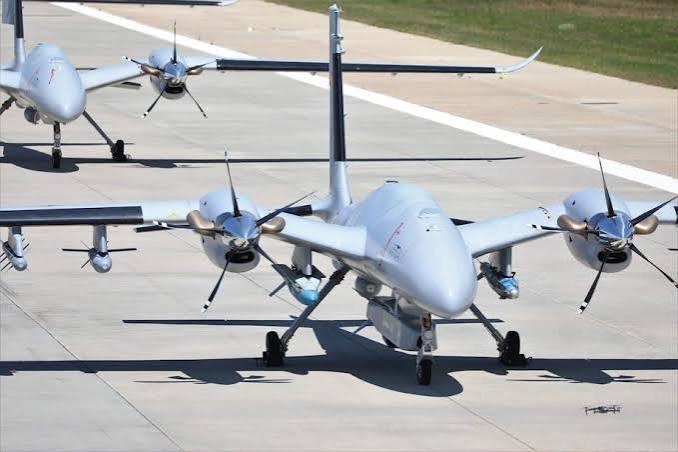
One weapons expert, NR Jenzen-Jones, said the characteristics were also consistent with a strike involving a Bayraktar TB2 drone, an unmanned aircraft manufactured by Turkish defence company Baykar.
The MAM series of guided ammunition is produced by Turkish defence company Roketsan, while Baykar manufactures the Bayraktar TB2 drones designed to carry such weapons.
However, identifying the manufacturer of a weapon does not establish who operated the aircraft that fired it or who ordered the attack.
This distinction is central to the dispute because Türkiye, the United Arab Emirates and Somalia operate Bayraktar drones, meaning the discovery of Turkish-made missile fragments alone cannot establish which country’s forces were responsible.
Türkiye accuses reports of targeting its defence industry
In its response, the Turkish disinformation centre argued that the allegations were part of a propaganda campaign intended to damage the reputation of the country’s armed forces and defence industry.
It also suggested that the reports were designed to undermine relations between Türkiye and Somalia, which it described as being founded on longstanding friendship and cooperation.
The centre urged the public to disregard what it called misleading reports and baseless allegations, asking people to rely on statements from relevant official authorities.
Türkiye’s response did not, however, identify who carried out the May 21 airstrike or provide a separate account of what happened in Baxaya.
Why the Puntland bombing has attracted international attention
The attack has drawn attention to the growing use of armed drones in Somalia, where several actors have access to military aircraft and weapons manufactured abroad.
It has also revived concerns about civilian protection during air operations, particularly when the identity of those responsible remains unclear.
In 2024, Amnesty International reported that two airstrikes on a farm in Somalia’s Lower Shabelle region killed 23 civilians. The organisation linked the attacks to MAM-L missiles fired from Bayraktar TB2 drones and called for investigations into the deaths.
The earlier findings demonstrate why identifying the weapons used in an attack is important, although establishing the identity of the people or forces operating the aircraft remains a separate challenge.
For Puntland residents, the latest dispute leaves an important question unanswered: who carried out the bombing that killed the mother and her three children?
Türkiye has rejected responsibility, while the weapons investigation has identified a Turkish-made munition but has not established who fired it.