


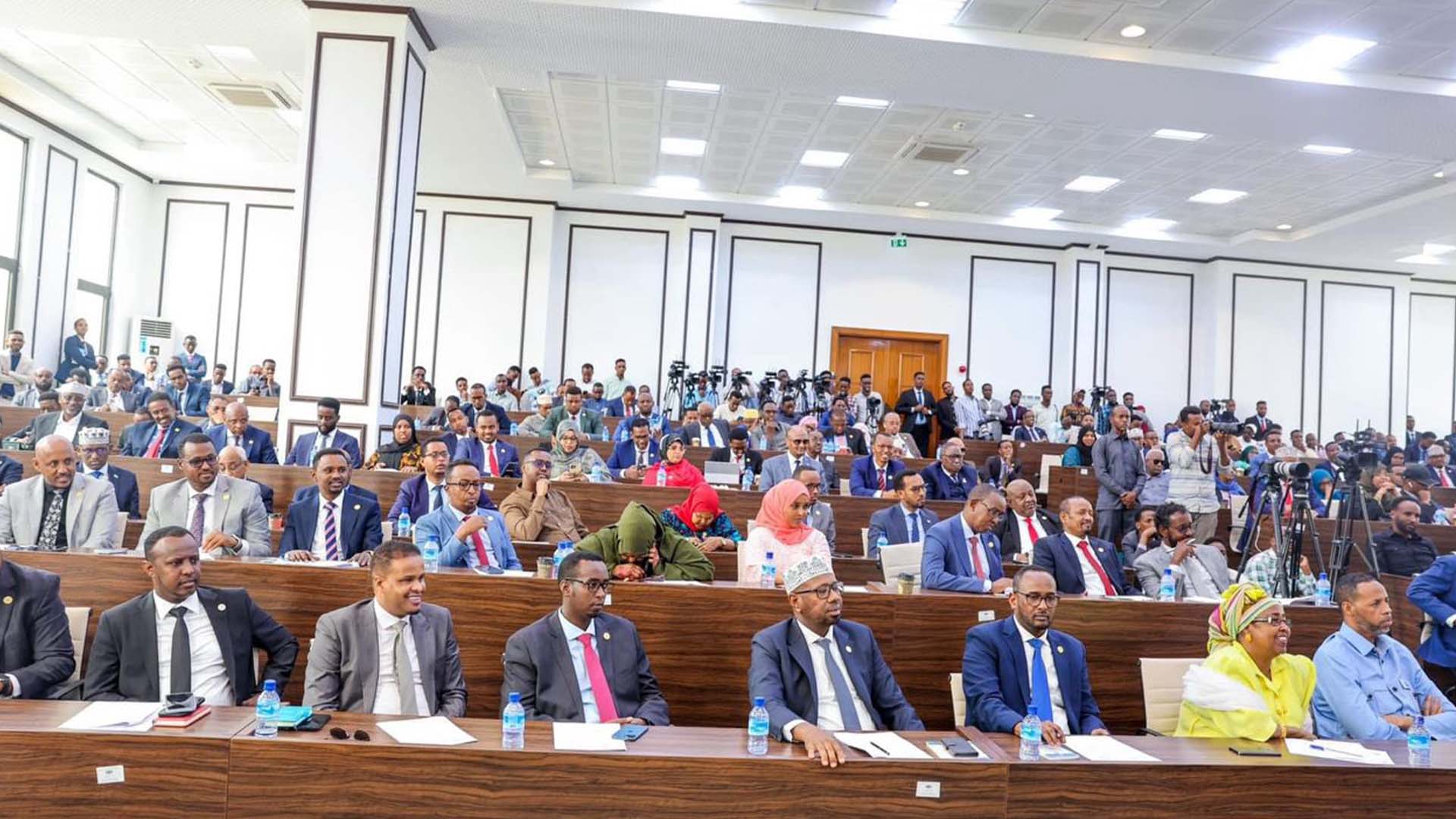
Somalia’s electoral dispute is becoming a test of whether the country’s political institutions can manage disagreements over power without allowing them to threaten national stability. Parliament must step forward, clarify the contested legal questions surrounding the electoral process and help establish a framework that competing political sides can accept.
The stakes extend beyond the next election. How Somalia handles the dispute will influence public confidence in its institutions, relations between the federal government and opposition leaders, and the country’s ability to maintain political stability at a time when security challenges remain significant.
Former intelligence chief Fahad Yasin has also warned that deepening political divisions could expose Somalia to a serious crisis.
These claims reflect the intensity of the dispute, but they should not be treated as proof that the country is inevitably heading towards conflict. The more immediate concern is whether the institutions responsible for managing political disagreements can provide a credible way forward before mistrust becomes more entrenched.
Lawmakers must clarify the legal questions
The first responsibility of parliament is to establish clarity on the legal and constitutional questions underlying the dispute. When political leaders disagree over the authority to organise elections, the applicable procedures and the legitimacy of the timetable, those disagreements cannot be resolved through competing press statements alone.
Members of parliament should examine the relevant constitutional provisions, electoral laws and mandates of the institutions involved. Where the law is unclear or disputed, lawmakers should explain the available legal interpretations and pursue lawful procedures for resolving the disagreement.
This process must be transparent. Parliamentary deliberations should establish which rules apply, which institutions have the authority to make particular decisions and what procedures must be followed to challenge or amend those decisions.
The objective should not be to manufacture a legal justification for one political camp. It should be to establish rules that can withstand scrutiny regardless of who benefits from them.
If parliament fails to provide that clarity, the country risks allowing political actors to interpret electoral rules according to their immediate interests. That would weaken public confidence and make future disputes harder to resolve.
The national electoral commission’s timetable cannot be treated as beyond question simply because it has been announced. Equally, opposition objections should not automatically invalidate the process. Parliament must examine the legal basis, practical feasibility and political implications of the proposed arrangements.
Lawmakers should establish whether the timetable complies with the applicable law, whether the institutions responsible for implementing it have the necessary capacity and whether outstanding disagreements could undermine confidence in the outcome.
They should also determine what consultations have taken place, which concerns remain unresolved and whether there is a realistic mechanism for addressing them.
Where the timetable raises legitimate legal or procedural concerns, parliament should push for corrective measures. Where objections lack a sound legal basis, lawmakers should explain why, using evidence and the relevant law rather than partisan rhetoric.
The public deserves more than assurances from the government or accusations from the opposition. It deserves a clear explanation of how the electoral process will work, why the chosen arrangements are lawful and how disputes will be handled.
Consensus must be pursued
Somalia’s political leaders must recognise that a credible electoral process requires both lawful procedures and sufficient confidence among the major stakeholders. The government should be prepared to address legitimate concerns, while opposition leaders should present workable alternatives and engage in negotiations aimed at reaching a practical settlement.
Parliament has a role in creating the conditions for that engagement. Lawmakers can facilitate consultations, examine proposals from competing sides and help identify areas where agreement is possible.
However, consensus should not become a vague slogan that allows negotiations to continue indefinitely. Nor should it be interpreted as an automatic right for any one political faction to block every electoral decision.
The task is to establish a process that is inclusive, legally defensible and capable of reaching a conclusion within an agreed timeframe. Parliament should press political leaders to set out their proposals, identify points of disagreement and commit to a transparent mechanism for resolving outstanding questions.