


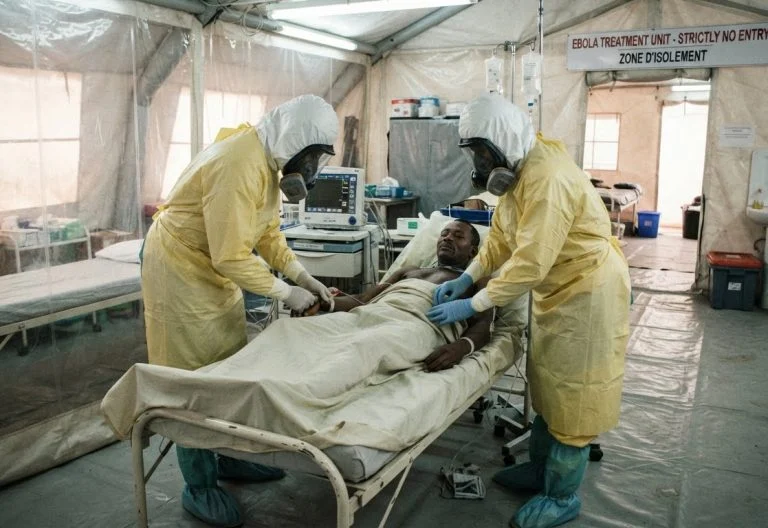
Somalia has released a man from Ebola quarantine after two tests confirmed he was not infected with the virus, following his contact with a patient who later died in Kenya.
The Ministry of Health and Human Services announced that the man had completed quarantine and a 21-day health monitoring period without developing symptoms, allowing authorities to release him after assessing the test results and the potential public health risk.
The man was placed in quarantine on October 12 at the Ebola quarantine and treatment centre at Forlanini Hospital in Mogadishu after Somali authorities learned that he had been in direct contact with an Ebola patient who died in Kenya on October 5.
According to the ministry, the first test conducted in Somalia on October 12 returned a negative result. Authorities subsequently sent a second sample to a laboratory abroad for confirmation, with the results also coming back negative on October 23.
The ministry said the man had remained free of Ebola symptoms throughout the quarantine period.
His release followed an assessment that considered both laboratory findings, his health condition and the completion of the monitoring period, which was calculated from October 3, the last day he had contact with the infected person.
Somalia reports no confirmed Ebola cases
The health ministry said the man’s release did not change its position that no Ebola case had been confirmed in Somalia.
“Until now, no Ebola case has been confirmed in Somalia,” the ministry said in a statement, describing the quarantined individual as a case originating from outside the country.
The case had prompted precautionary measures because of the man’s direct contact with an infected person. Quarantine and monitoring allowed health authorities to observe him and assess whether he developed symptoms during the period following exposure.
Ebola is a serious infectious disease that can cause severe illness and death. Monitoring people who have been in contact with infected individuals is an important public health measure, helping authorities identify possible infections and reduce the risk of further transmission.
However, the two negative tests and the absence of symptoms during monitoring meant that authorities found no evidence that the man had contracted the virus.
Despite releasing the man, the ministry said it would continue strengthening disease surveillance, preparedness at points of entry and measures designed to prevent infectious diseases from spreading into the country.
Authorities also urged the public to rely on official health information and avoid circulating unverified reports about possible infections.