


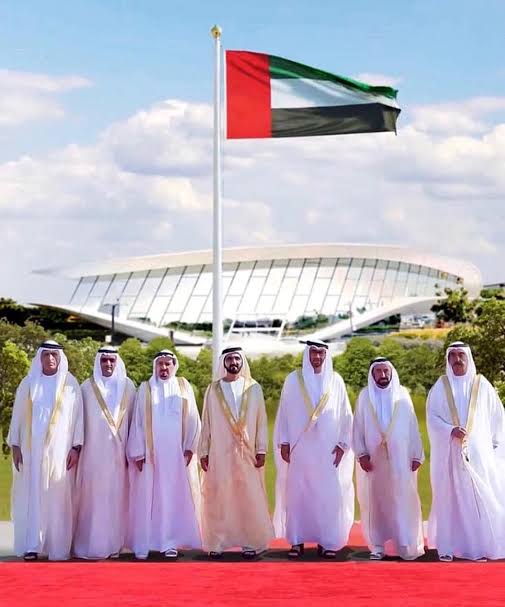
Six Gulf countries have rallied behind the United Arab Emirates after Somalia accused Abu Dhabi of interfering in its domestic political and security affairs, escalating a diplomatic dispute that has now drawn the wider Gulf region into the confrontation.
The Gulf Cooperation Council (GCC), which brings together the UAE, Saudi Arabia, Qatar, Kuwait, Bahrain and Oman, condemned statements by Somali government officials against the UAE, describing the accusations as irresponsible and rejecting what it called misleading media campaigns targeting the Gulf state.
In a statement issued on Thursday, November 19, 2026, GCC Secretary-General Jasem Mohamed Albudaiwi expressed solidarity with the UAE, accusing Somali officials of making remarks that undermined Abu Dhabi’s regional and international standing.
Albudaiwi defended the UAE’s diplomatic role, arguing that the country had consistently contributed to regional stability, international dialogue and efforts to resolve conflicts.
“The UAE’s recent hosting of Russian-Ukrainian talks demonstrates its commitment to regional and international peace and security. These unacceptable allegations seek to undermine our efforts to promote dialogue and cooperation,” he said.
The GCC secretary-general further warned against attempts to damage the reputation of member states through what he described as malicious media campaigns, insisting that such attacks would not derail their efforts to promote peace and stability.
“The GCC states remain steadfast in their approach to consolidating security, stability, and prosperity, and categorically reject any media campaigns aimed at offending any of their member states. Such campaigns will not affect the continuation of their role in supporting peace and security across the region and the world,” the statement added.
Somalia’s accusations against UAE trigger diplomatic fallout
The Gulf bloc’s intervention comes as Somalia and the UAE experience one of their sharpest diplomatic confrontations in recent years, following accusations by President Hassan Sheikh Mohamud that Abu Dhabi has been undermining Somalia’s sovereignty.
In a televised address on Tuesday, November 17, Hassan Sheikh accused the UAE of providing financial, political and security support to regional administrations and armed groups operating outside the control of the Federal Government.
The Somali president also questioned Emirati agreements involving the ports of Berbera, Bosaso and Kismayo, arguing that arrangements involving strategically important infrastructure should be negotiated through Mogadishu rather than individual regional administrations.
The accusations were followed by a major diplomatic decision on Thursday, when Somalia’s Cabinet ordered the UAE ambassador to leave the country within 72 hours and recalled its own ambassador from Abu Dhabi for consultations.
Mogadishu said the measures were necessary to safeguard Somalia’s sovereignty, territorial integrity and national unity, further deepening the diplomatic crisis between the two countries.
UAE responds as Gulf bloc weighs in
The UAE subsequently condemned what it described as the Somali government’s hostile approach, accusing Mogadishu of allowing domestic political disputes to undermine relations between the two countries.
Abu Dhabi also said it had closed its embassy in Mogadishu and withdrawn diplomatic personnel in January 2026, following earlier disagreements over Somalia’s decision to cancel bilateral agreements.
The GCC’s latest statement places the dispute on a broader regional diplomatic stage, with the Gulf bloc publicly defending the UAE and criticising Somalia’s accusations.
However, the council did not announce sanctions, diplomatic restrictions or other punitive measures against Somalia, limiting its response to condemning the Somali government’s statements and reaffirming support for the UAE.
The latest development comes as Mogadishu continues to insist that foreign governments must respect Somalia’s sovereignty and deal with its federal government on matters concerning the country’s international agreements and security arrangements.