


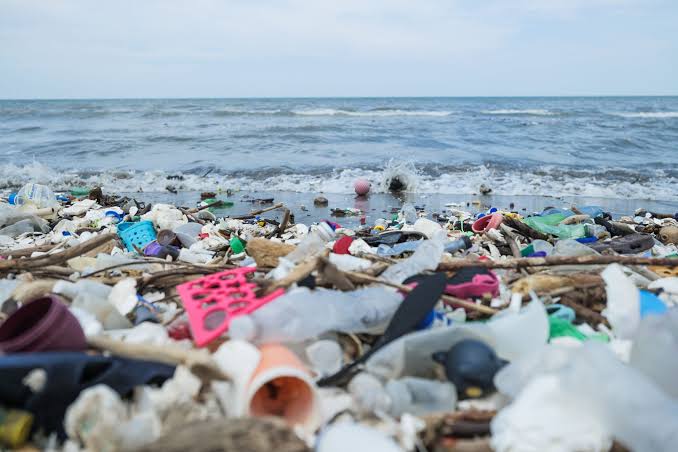
New research has exposed the growing pollution problem along Mogadishu’s coastline, with an earlier scientific assessment finding nearly 120,000 pieces of rubbish at the popular Liido Beach, including thousands of plastic bottles, discarded shoes, toys and party poppers.
The findings have raised fresh concerns about how waste from beach activities, households, businesses and fishing operations is damaging the marine environment, with researchers warning that poor disposal practices are allowing rubbish to accumulate along the capital’s coastline and, in some cases, enter the sea.
The latest findings were presented during a research exhibition in Mogadishu on Tuesday, November 17, following a year-long study conducted by the Somali Marine Resources and Research Center (SMRRC).
The research examined solid waste pollution and its impact on the marine environment, identifying poor waste management, plastic pollution and improper disposal of rubbish as major concerns.
Researchers surveyed 369 people, including fishermen, fish vendors, divers and residents living along the coast. The assessment covered Liido Beach in Abdiaziz District and Geel Liqay in Hamar Weyne District.
Among the issues raised were inadequate waste collection facilities, irregular rubbish collection services and cases in which waste was being dumped directly into the sea.
The research also identified households, markets, restaurants, hotels and fishing activities as major sources of pollution along the coastline.
Nearly 120,000 pieces of rubbish found at Liido Beach
One of the most striking details highlighted in the report was an earlier scientific assessment conducted at Liido Beach in 2024, which recorded 119,873 litter items during a six-month collection exercise.
The study, published in the scientific journal Heliyon, found that 107,249 of the items were made of plastic, accounting for 89.47 per cent of all the rubbish collected.
The assessment also found that the beach had an extremely poor cleanliness rating under the Clean Coast Index, a measurement used to classify beaches according to the amount of litter found on them.
The plastic waste included 14,860 plastic drink bottles and containers, 12,529 shopping bags and 9,114 shoes and sandals.
Researchers also counted 8,878 crisp and sweet packets, including lolly sticks, alongside 4,292 toys and party poppers.
Other items included plastic food containers, disposable cutlery, drinking straws, bottle caps and lids, plastic cleaner containers and thousands of smaller pieces of broken plastic.
The study also documented nine shotgun cartridges among the plastic waste attributed to dumping, illustrating the unusual variety of discarded materials found along the beach.
The findings suggested that the pollution was coming from several activities rather than a single source.
Shoreline and recreational activities accounted for 54.12 per cent of the plastic items recorded, while dumping contributed 36.61 per cent. Ocean and waterway activities, including fishing-related waste, accounted for another 7.32 per cent.
Rubbish from homes, hotels and fishing activities
The latest SMRRC research further pointed to the role of everyday activities in worsening the pollution along Mogadishu’s coastline.
Households, markets, restaurants and hotels were identified among the major sources of waste, while discarded fishing equipment was also frequently observed.
Plastic materials and abandoned fishing gear are particularly concerning because they can remain in the marine environment and pose risks to marine organisms.
The research also drew attention to the difficulties faced by coastal communities in managing the waste they produce.
Respondents reported that rubbish collection services were irregular and that there were not enough facilities to support proper disposal. Some also reported seeing waste being thrown directly into the sea.
These challenges mean that rubbish generated on land can eventually reach coastal waters, adding to the pollution affecting beaches and marine habitats.
The centre’s Deputy Chairman, Abdirahim Warsame, said the research had taken one year to complete and expressed the institution’s intention to continue conducting scientific studies.
“The research took one year, and we want to continue it,” Warsame said.